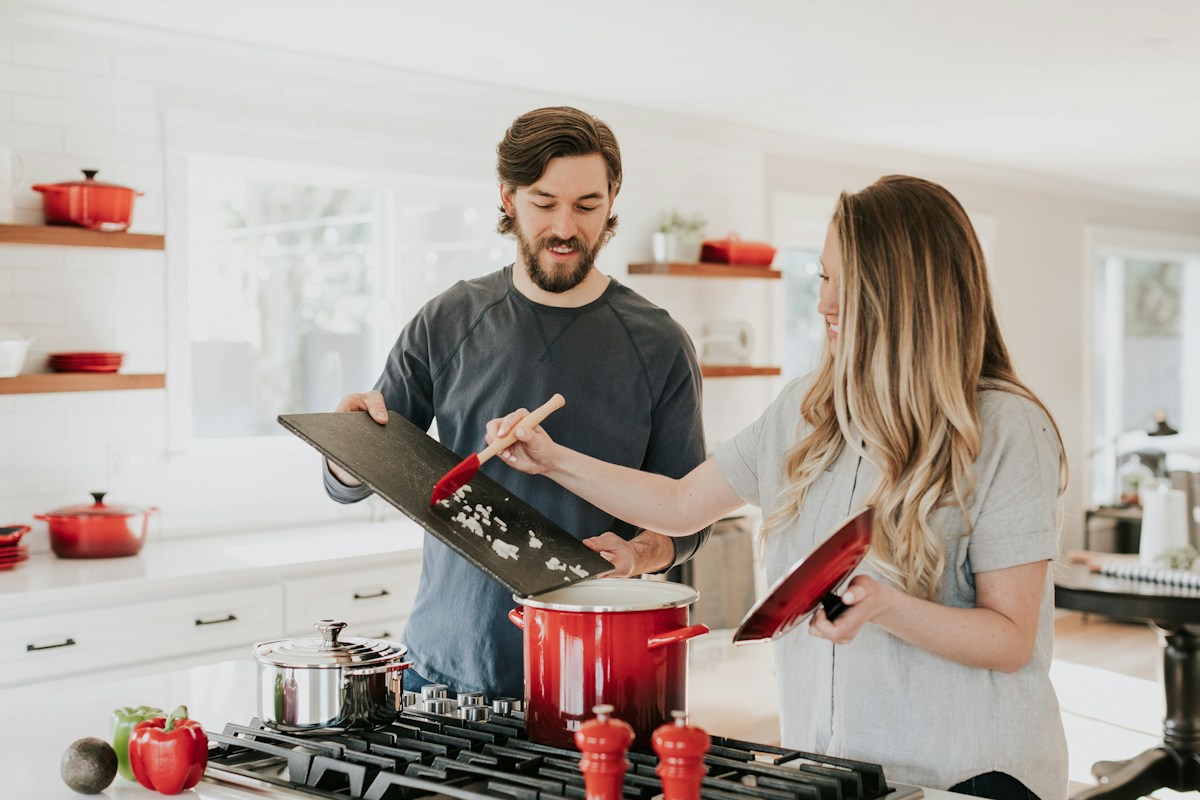
The Vertical Revolution
In 2026, vertical video has become the dominant format for food content across all major social platforms. The numbers tell a clear story: 9:16 content consistently outperforms traditional 16:9 formats by significant margins.
Platform Performance Data
TikTok and Instagram Reels have proven that vertical content isn't just a trend—it's the new standard. Our analysis of food content performance shows:
- •Vertical videos receive 3.2x more engagement than horizontal content
- •65% higher completion rates on recipe videos
- •2.8x more shares for ingredient-focused content
- •4x better performance in paid advertising campaigns
Why Vertical Works for Food Content
1. Natural Mobile Viewing
Mobile users don't rotate their phones. Vertical content fits naturally into how people actually consume content throughout their day.
2. Immersive Ingredient Focus
Vertical framing allows for dramatic top-down shots and close-up ingredient details that horizontal formats can't match. The tight framing creates an intimate, ASMR-like experience.
3. Platform Algorithm Preference
TikTok, Instagram, and YouTube Shorts prioritize vertical content in their recommendation algorithms. Fighting this preference means fighting for visibility.
4. Scroll-Stop Power
Vertical food videos occupy the entire screen, creating powerful scroll-stopping moments that horizontal content simply can't achieve.
How to Optimize Your Food Content for Vertical
Composition Strategy
- •Top-down angles for cooking processes
- •Close-up macro shots for texture and detail
- •Ingredient reveals from top to bottom
- •Hand placement that guides the viewer's eye downward
Storytelling Flow
- •Hook (0-3 seconds): Visual impact that stops the scroll
- •Build (3-15 seconds): Process revelation and ingredient showcase
- •Payoff (15-30 seconds): Final result and emotional satisfaction
- •CTA (30-45 seconds): Clear next step for the viewer
Production Considerations
Lighting: Overhead diffused lighting works best for vertical food content
Framing: Leave space at top and bottom for platform UI elements
Text Placement: Keep critical text in the center vertical third
Sound Design: ASMR elements amplify the immersive vertical experience
Case Study: Recipe Content Performance
When we transitioned FrescoTop's content strategy to vertical-first production:
- •Average views increased 340%
- •Engagement rate jumped from 4.2% to 14.8%
- •Share rate increased 5x
- •Campaign cost-per-view decreased 62%
The Future of Food Video
Vertical isn't just the present—it's the foundation for emerging formats:
- •Augmented reality recipe overlays require vertical framing
- •Interactive ingredient selection works best in vertical UI
- •AI-personalized recipe variations will be delivered vertically
Key Takeaways
✓ Vertical video is now the primary format for high-performing food content
✓ Platform algorithms favor vertical content in recommendations
✓ Mobile-first consumption patterns demand vertical optimization
✓ Production workflows must prioritize vertical from concept to delivery
✓ Brands investing in vertical-first strategies see measurable ROI improvements
Conclusion
The vertical video revolution isn't coming—it's here. Brands that adapt their food content strategy to vertical-first production will dominate social performance through 2026 and beyond.
The question isn't whether to produce vertical content. The question is how quickly you can optimize your entire content system around it.
Ready to Build High-Performing Food Content?
Let's discuss how we can create a systematic content strategy that delivers measurable results for your brand.
Schedule Strategy Call